Where Style Meets Purpose
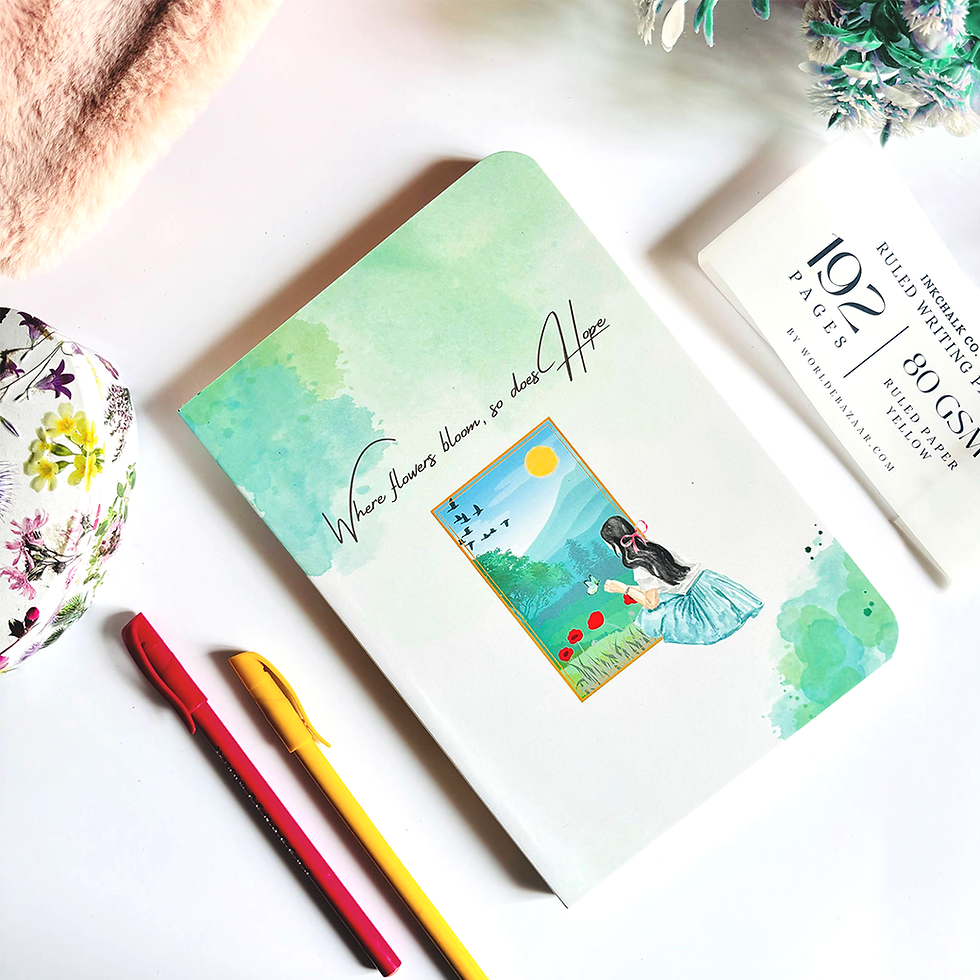
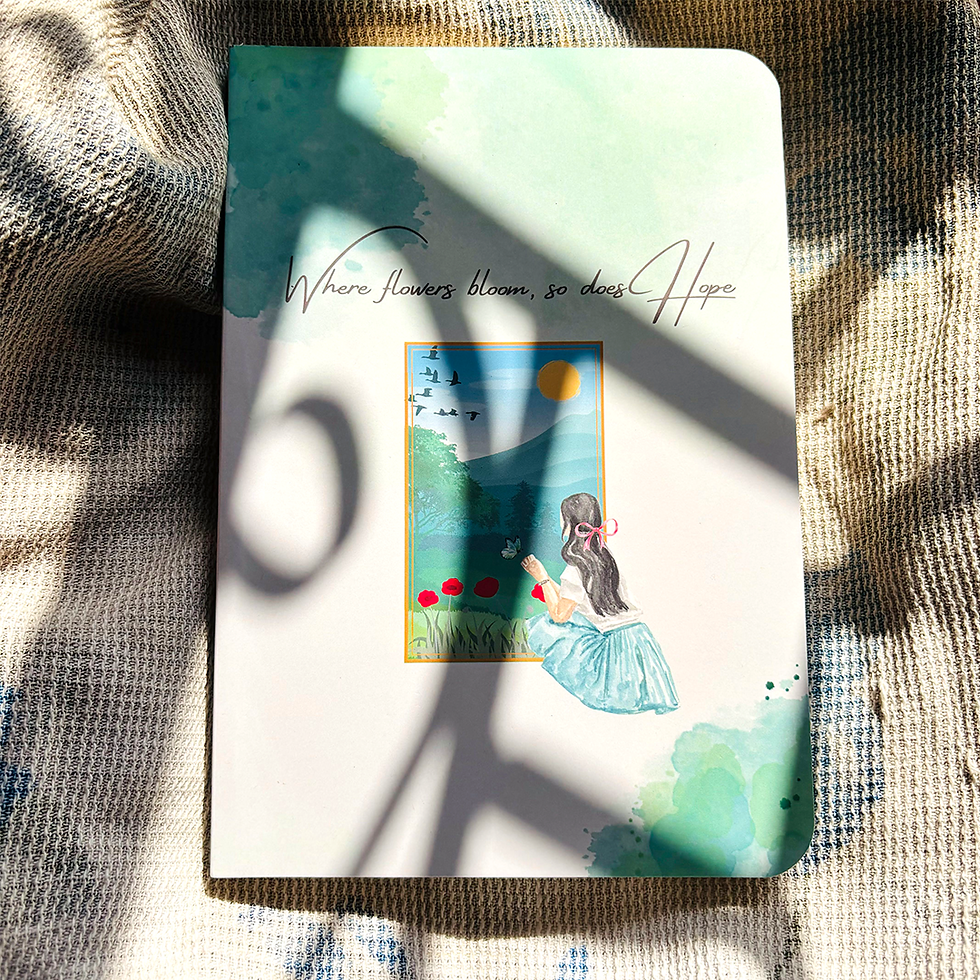
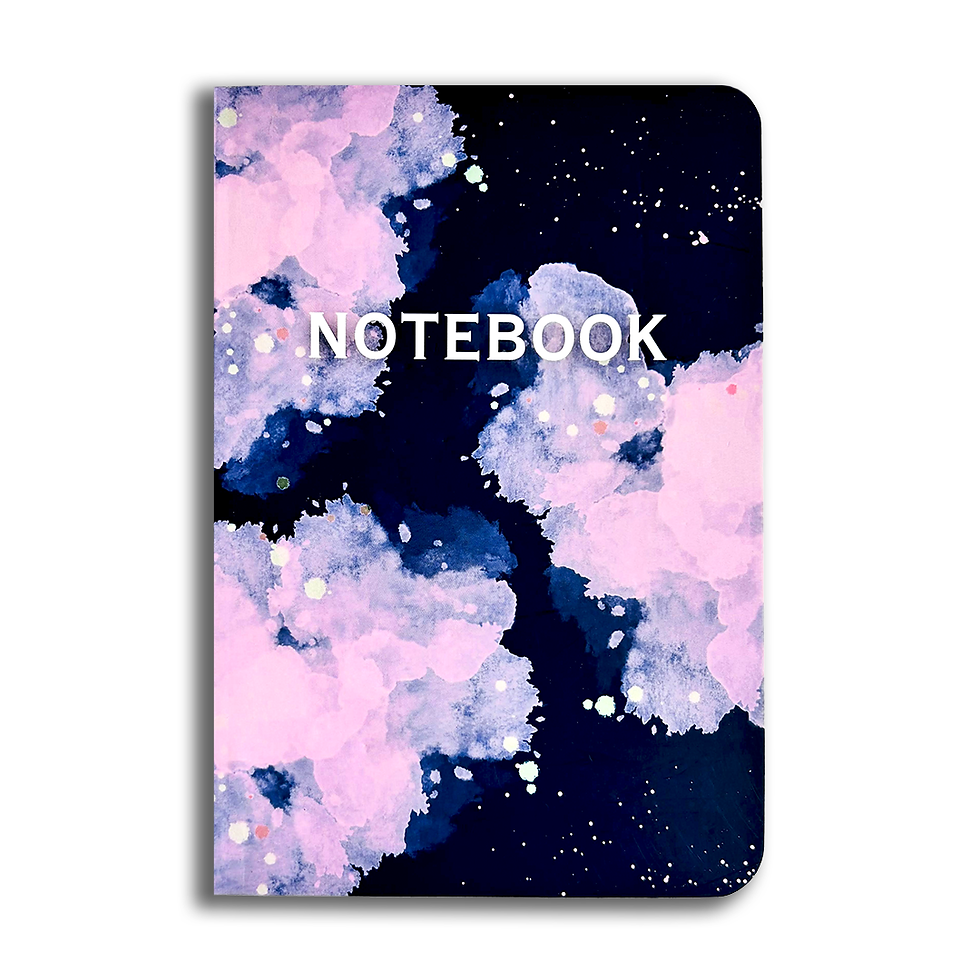
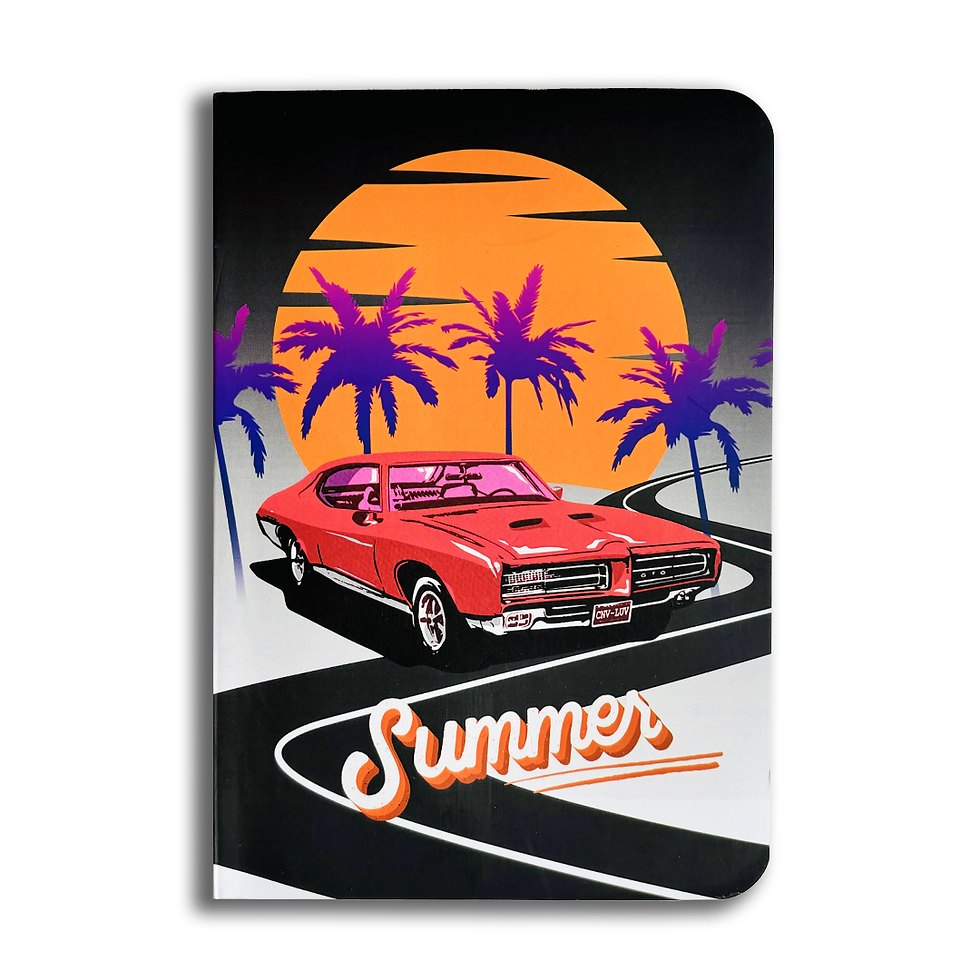
A notebook is more than pages bound together—it’s a reflection of thought, creativity, and intent. True design isn’t just about beauty; it’s about how form enhances function, how texture invites touch, and how space encourages ideas to unfold. The perfect notebook doesn’t just look good—it feels right, becoming an extension of the mind itself.


A Series | B Series | C Series |
|---|---|---|
A10 - 2.6 × 3.7 cm | B10 - 3.1 × 4 cm | C10 - 2.8 × 4 cm |
A9 - 3.7 × 5.2 cm | B9 - 4.4 × 6.2 cm | C9 - 4 × 5.7 cm |
A8 - 5.2 × 7.4 cm | B8 - 6.2 × 8.8 cm | C8 - 5.7 × 8.1 cm |
A7 - 7.4 × 10.5 cm | B7 - 8.8 × 12.5 cm | C7 - 8.1 × 11.4 cm |
A6 - 10.5 × 14.8 cm | B6 - 12.5 × 17.6 cm | C6 - 11.4 × 16.2 cm |
A5 - 14.8 × 21 cm | B5 - 17.6 × 25 cm | C5 - 16.3 × 22.9 cm |
A4 - 21 × 29.7 cm | B4 - 25 × 35.3 cm | C4 - 22.9 × 32.4 cm |
A3 - 29.7 × 42 cm | B3 - 35.3 × 50 cm | C3 - 32.4 × 45.8 cm |
A2 - 42 × 59.4 cm | B2 - 50 × 71 cm | C2 - 45.8 × 64.8 cm |
A1 - 59.4 × 84.1 cm | B1 - 70.7 × 100 cm | C1 - 64.8 × 91.7 cm |
A0 - 84.1 × 118.9 cm | B0 - 100 × 141 cm | C0 - 91.7 × 129.7 cm |
Notebook
Size
Variations
The A, B, and C series paper sizes follow the ISO 216 standard, each serving distinct purposes.
The A series is the most commonly used for everyday printing, notebooks, and documents. It starts with A0 (841 × 1189 mm), the largest size, with each subsequent size (A1, A2, A3, etc.) being half the area of the previous one. The most widely used size, A4 (210 × 297 mm), is standard for office and school use.
The B series provides larger and more flexible sizing for posters, books, and specialized printing.
Lastly, the C series is primarily for envelopes and packaging, designed to fit A-series paper inside without excessive space.
Wiro
Practical, Versatile, Convenient

A wiro notebook, also known as a spiral-bound notebook, features a metal or plastic coil binding that allows pages to turn effortlessly and lay completely flat. This binding style makes it highly flexible, enabling users to fold the notebook back for a compact writing experience.
140
150
170
96 pages
112 pages
198 pages
No. of Pages
Rates (₹)*
*Prices shown are for reference only and may vary based on design complexity, materials, packaging, and delivery location.
Paper
Properties &
Characteristics
Paper characteristics include GSM (weight), colour, and texture, which determine the paper's feel, appearance, and functionality.

Paper GSM
GSM is a measurement that indicates the weight of paper.
Higher GSM generally means thicker and heavier paper, while lower GSM indicates lighter and thinner paper.


Capture every thought, sketch, and breakthrough.
Whether you're drafting a business plan, sketching a design, journaling your day, or compiling research, our notebooks provide the perfect tactile experience with premium, ink-friendly paper and enduring construction.